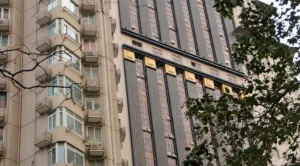
The Victorian Government is moving to formally wind up Cladding Safety Victoria (CSV), marking the final stage of the state’s response to the combustible cladding crisis that emerged after high-profile apartment fires both in Australia and overseas.
The Cladding Safety Victoria Repeal Bill 2026 proposes to abolish CSV as a standalone agency, repeal the Cladding Safety Victoria Act 2020, and transfer its remaining responsibilities to Victoria’s building regulator, now the Building and Plumbing Commission (BPC).
While the bill reflects the success of Victoria’s cladding rectification program, it also raises an important question for the building industry: what happens to the significant legal and financial fallout that combustible cladding created?
Why the Cladding Crisis Became a Legal Crisis
The cladding issue quickly became one of the biggest sources of construction litigation in recent years. Apartment owners, owners corporations, builders, developers, surveyors, architects, certifiers, insurers and subcontractors were often caught in complex disputes over who should bear the enormous cost of rectification.
Many owners faced rectification bills worth hundreds of thousands, and sometimes millions, of dollars for defects they had no role in creating. This led to widespread claims involving breach of contract, negligence, misleading conduct, insurance disputes and contribution claims between multiple parties across the construction chain.
In many cases, proceedings were brought in Victorian Civil and Administrative Tribunal (VCAT), the courts, and through domestic building dispute pathways, with disputes often taking years to resolve.
Why Was Cladding Safety Victoria Created?
CSV was established following the 2017 Grenfell Tower fire in London, as well as several cladding-related fires in Australia, which exposed the dangers of non-compliant and combustible external wall cladding on residential buildings.
In response, the Victorian Government created the Victorian Cladding Taskforce, which later recommended the establishment of CSV as a dedicated agency focused on identifying, assessing and rectifying dangerous cladding.
It was designed as a temporary, purpose-built body with one clear objective, to make unsafe buildings safe and protecting owners from the enormous financial burden of rectification works.
How CSV Helped Reduce Litigation
One of CSV’s most important achievements was not just fixing buildings but reducing the need for endless legal fights, and rather than forcing owners to fund rectification first and then pursue builders or developers through litigation, CSV provided government-backed funding pathways for eligible buildings. This meant dangerous cladding could be removed quickly, without owners having to wait years for disputes to be resolved in court.
According to Minister for Transport Infrastructure and Public and Active Transport Gabrielle Williams, CSV completed remediation on more than 99 per cent of the highest-risk buildings in the Cladding Rectification Program, with the remaining buildings expected to be completed this year .
More than 1,600 buildings, representing around 83,000 homes, have undergone rectification since the program began.[1]
What Will Change Under the New Bill?
The bill does three main things:
- Closes Cladding Safety Victoria
CSV will cease to exist as a separate agency, and the legislation that created it will be repealed.
- Transfers Remaining Responsibilities to the BPC
Any unfinished cladding-related work, including liabilities, property, staff and ongoing obligations, will move to the BPC. This is intended to ensure no remaining cases are left unresolved and that specialist knowledge built by CSV is retained within the regulator.
- Removal of the Cladding Rectification Levy
The Bill also removes the Cladding Rectification Levy, which was introduced to help fund Victoria’s $600 million cladding rectification program.
This levy added significant costs to new developments, particularly apartment projects, with estimates suggesting it increased the cost of a new two-bedroom apartment by around $4,000. Its removal is expected to reduce building permit levy costs by between 47 and 66 per cent for many projects.
Final Thoughts
CSV played an important role in helping Victoria respond to the combustible cladding crisis by getting dangerous buildings rectified faster and reducing the financial pressure on many apartment owners. However, its closure does not bring every issue to an end. Many owners are still dealing with defects, owners corporation disputes and questions about who is responsible for rectification costs. Cladding litigation will remain part of the construction industry for some time. The repeal of CSV marks the end of the emergency response, but it also reinforces the need for stronger regulation and accountability across the building sector going forward.
At Warlows Legal, we assist owners, builders, developers and owners corporations dealing with cladding-related disputes, rectification liability, and regulatory change. As specialists in Construction Law, we can help you understand your rights and obligations as Victoria transitions from the CSV framework to the Building and Plumbing Commission, and support you in managing risk, funding issues, and ongoing litigation exposure.
[1] Parliament of Victoria, moves to wind up cladding safety body